Alicante province
Damp Treatment in Alicante — We Fix the Cause, Not Just the Stain
We carry out damp treatment in Alicante by tackling the cause, not just the stain: rising (capillary) damp, condensation, leaks and salts. We install injection barriers, ventilation systems and anti-damp renders, then re-plaster and repaint. Backed by a 2-year guarantee across the Costa Blanca.
Free quote
Same-day response. No obligation.
- Area
- Alicante & province
- Quote
- On request, no obligation
- Guarantee
- 2 years
- Timescale
- Damp diagnosis and readings: 1 day.
Stains, mould and blistering paint are symptoms; the key is diagnosing the source. Older coastal apartments often suffer several kinds of damp at once: capillary damp rising through the walls from the ground, condensation from poor ventilation, and salts that crystallise and blow the plaster off.
With over 15 years of experience and our own team, we measure the moisture level and locate the source before proposing anything. That is the only way to make the fix last: painting over active damp merely hides it for a few months.
Depending on the case we inject a chemical barrier against rising damp, improve ventilation to stop condensation, treat the salts and re-render with breathable mortars. We finish with anti-mould paint to leave the wall healthy. For overseas owners we send photo reports at each stage.
Damp Treatment in Alicante: what's included
Diagnosis with moisture readings
We locate the source of the damp and measure its level before proposing any treatment.
Anti-capillary barrier
We inject a chemical barrier at the base of the wall to cut off damp rising from the ground.
Condensation control
We improve ventilation and insulate the cold spots where moisture forms.
Salt treatment
We neutralise and contain the salts that crystallise and destroy the plaster.
Breathable re-render
We renew the wall with renovating mortars that let the surface breathe.
Anti-mould paint
We finish with fungicidal paint that stops stains and mould coming back.
The full scope of Damp Treatment works
Every job we take on within this service, with the detail of how we carry it out. The price is always fixed after the survey.
Diagnosis and readings
Moisture readings in the wall
- What we do
- We establish whether the wall is genuinely wet and how far up the damp reaches.
- How we do it
- We take readings with surface and pin hygrometers at several heights and compare them against a sound wall in the same property. Without that comparison an old, long-dry stain gets mistaken for active damp and you end up treating something that is not there.
Thermal imaging
- What we do
- We locate the cold spot or the leak without opening up the wall.
- How we do it
- The thermal camera shows the thermal bridge, the route of a pipe that is losing water, or the part of the wall holding moisture. It tells us where to open up and, more importantly, where not to.
Rising damp, condensation or a leak?
- What we do
- We identify the type of damp, which is what determines the treatment.
- How we do it
- Rising damp climbs from the floor as a band with salts; condensation shows on ceilings, corners and cold spots with black mould; a leak stains a localised patch that grows with use. We confirm it with readings before proposing anything.
Ruling out a plumbing leak
- What we do
- We check whether a pipe or waste behind the stain is losing water.
- How we do it
- We pressure-test the installation and check the nearest run. Injecting a damp-proof course into what is actually a leak is money thrown away — the stain is back within weeks.
Written report with photos
- What we do
- A document with the diagnosis, the readings and the proposed treatment.
- How we do it
- We hand over the readings, photos and thermal images with the quote — useful for a claim against your insurer, a neighbour or the community when the source is not in your property. We email it in full if you are abroad.
Rising (capillary) damp
Injected damp-proof course
- What we do
- We cut off water rising from the ground through ground-floor walls.
- How we do it
- We drill at regular centres into a mortar course near floor level and inject a silane-siloxane cream that saturates the pore and forms a continuous water-repellent barrier. It is done from inside and needs no trench.
Stone and rubble walls
- What we do
- Treatment in older buildings with thick, irregular walls.
- How we do it
- In stone the pore structure is not uniform, so we drill at two courses and use higher-volume pressure injection. The barrier only works if it is continuous: one untreated stretch lets water through like an open door.
Perimeter drainage
- What we do
- We move ground water away from the base of the wall.
- How we do it
- Where the ground falls towards the house, the barrier alone is not enough. We dig a trench with drainage membrane, gravel and a perforated pipe to an outlet, cutting the water load before it reaches the wall.
Plinths and party walls
- What we do
- Rising damp in external plinths and walls shared with a neighbour.
- How we do it
- We treat the wall and protect the plinth with water-repellent render. On party walls we are upfront that treating from one side only has its limits, and explain what needs raising with the owners’ association.
Drying out after treatment
- What we do
- The time the wall needs to give up the water already inside it.
- How we do it
- The barrier stops the supply, but the wall takes weeks or months to dry depending on its thickness. We do not re-plaster or paint early: doing so is exactly what makes the job look like a failure a few months on.
Condensation and mould
Mould in bedrooms and wardrobes
- What we do
- Black staining in corners, on ceilings and behind furniture.
- How we do it
- We clean back with a fungicide that kills the root — bleach alone bleaches the stain but leaves the spore — and treat the cold spot causing it. If the wardrobe backs onto an external wall, we pull it off the wall so air can move behind it.
Mechanical ventilation
- What we do
- Continuous air change in properties that are sealed too tightly.
- How we do it
- We fit humidity-controlled extract in the bathroom and kitchen with make-up air to the dry rooms. After an upgrade to well-sealed PVC windows the house stops ventilating itself — and that is precisely when condensation appears.
Fixing thermal bridges
- What we do
- We insulate the cold surfaces where vapour condenses.
- How we do it
- We line the slab front, reveal or column that shows cold on the thermal image. Once the surface temperature is above dew point, vapour stops condensing there.
Condensation in a closed-up home
- What we do
- Mould that appears in second homes shut up for months.
- How we do it
- A coastal house closed with no ventilation builds up humidity, and mould turns up in wardrobes and on mattresses. We install permanent low-energy ventilation and leave an airing routine for whoever opens the house before you arrive.
Fungicidal anti-mould paint
- What we do
- A finish that makes it harder for mould to re-establish on the surface.
- How we do it
- We apply paint with fungicide through the body of the coating onto a substrate that is already dry and treated. It is the last coat of the job, never the whole job: over a wall that is still condensing it lasts a season and comes back.
Salts, stripping out and making good
Salts and efflorescence
- What we do
- White crystals that blister the paint and crumble the plaster.
- How we do it
- We strip the contaminated plaster dry and neutralise the salts before re-rendering. Salts do not wash away: water only dissolves them and they recrystallise further in.
Hacking back to brick
- What we do
- Removing the damaged plaster across the affected band.
- How we do it
- We hack back to the substrate and about 50 cm above the highest damp reading — not just to where the stain shows. Salts travel ahead of the visible damp.
Macroporous renovating render
- What we do
- A mortar that lets the wall breathe rather than sealing it.
- How we do it
- We apply a macroporous renovating render that lets vapour evaporate out and holds the salts within its own pore structure without blowing. A waterproof cement in its place traps the water and simply pushes it out a metre higher up.
Repairing a localised leak
- What we do
- Damp coming from a terrace, roof or facade rather than the ground.
- How we do it
- We find the entry point — a terrace junction, gully, joint or facade crack — and seal or waterproof it. No internal barrier helps here: the water is getting in from above.
Skim and final decoration
- What we do
- We return the wall to its original finish.
- How we do it
- We skim, sand and paint to match the rest of the room once the wall has dried. We make good the skirting and trims so the treated area does not stand out.
Damp Treatment in Alicante step by step: how we work
- 1
Site visit
We measure the damp and diagnose its source with no obligation.
- 2
Fixed-price quote
We itemise the treatment by cause, with costs and timescale.
- 3
Treatment
We apply the solution and restore the wall with our own team.
- 4
Handover with guarantee
We leave the wall healthy and painted, with a 2-year guarantee.
Timescales for Damp Treatment in Alicante
- Damp diagnosis and readings: 1 day.
- Injection barrier for rising damp: 1–3 days.
- Stripping, re-render and paint of the area: 3–6 days.
Pricing your Damp Treatment in Alicante: how we quote
Every project is unique: the price fits your job.
We do not use one-size-fits-all price lists. After a free, no-obligation site visit we prepare a detailed personalised quote, with a fixed price agreed before we start.
Damp Treatment in Alicante: before & after
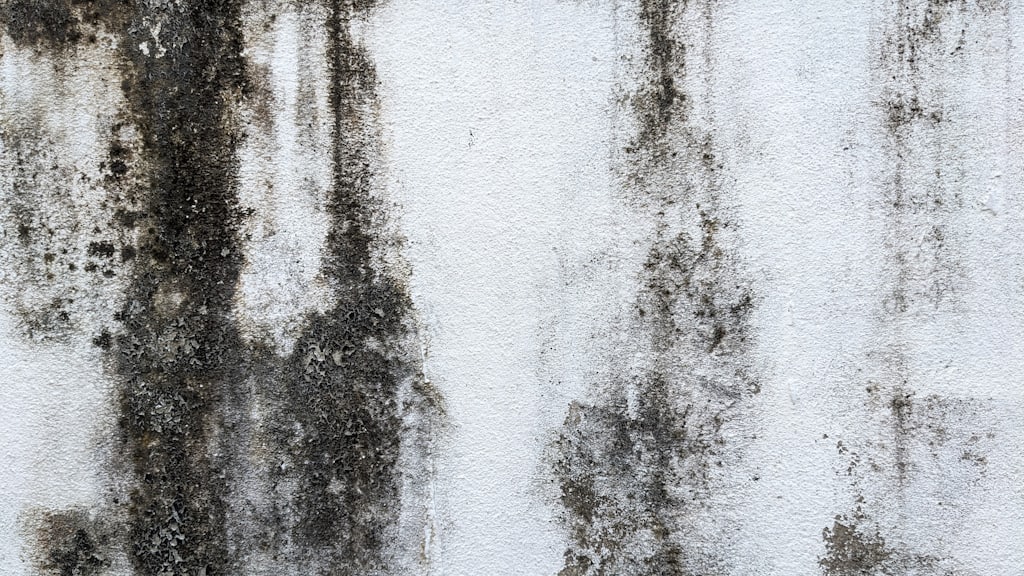
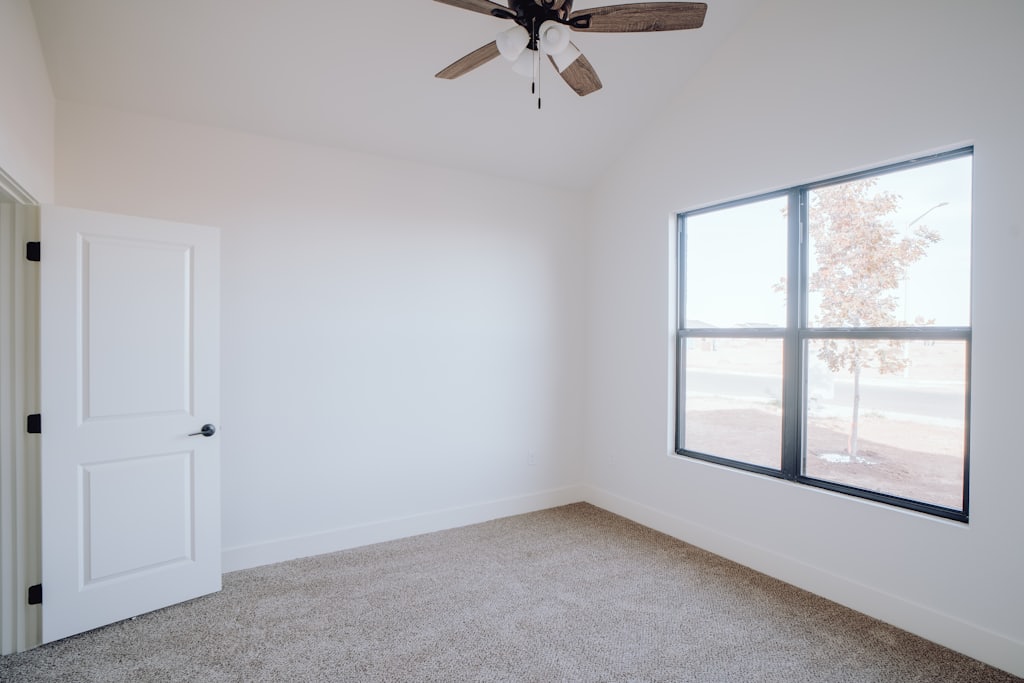
Rising damp on the ground floor
Alicante centre
Injection barrier and breathable render in a ground-floor flat with rising damp and salts in the walls.
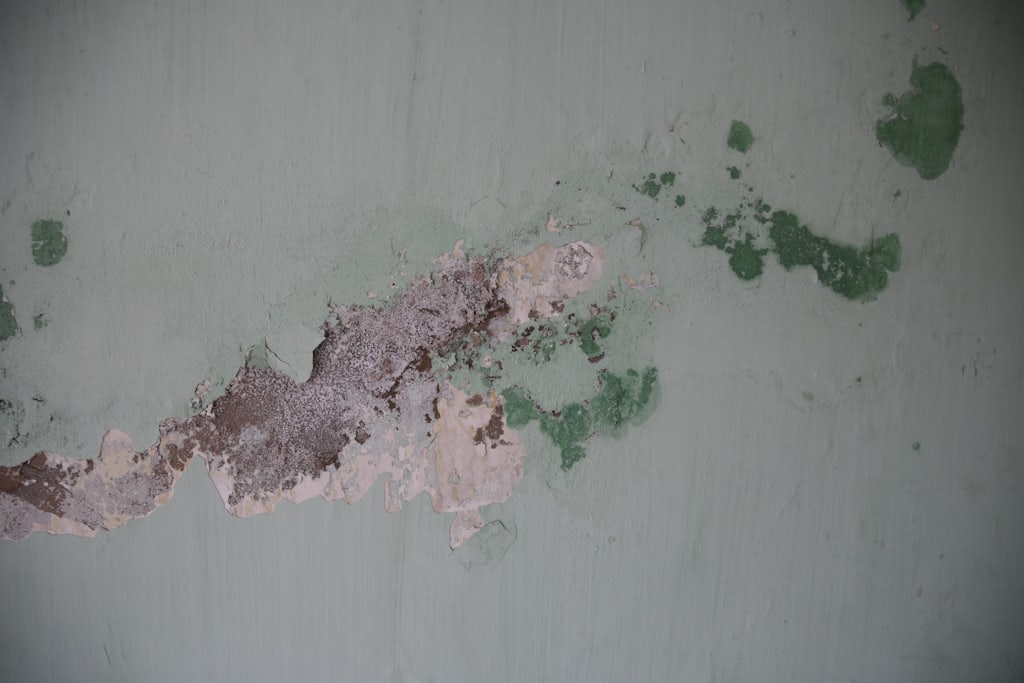
Condensation and mould
Benidorm
Improved ventilation and anti-mould paint in an apartment with recurring mould in the bedrooms.
Damp Treatment: customer reviews in Alicante
“Professional approach to renovation and construction services. The communication is clear, the team pays attention to details, and the overall presentation gives a good impression of reliability and quality.”
“A very good professional service with a strong focus on the customer. Communication was clear and all questions were handled quickly. Overall, I had a very positive experience and would be happy to recommend Renixo.”
“Дякую за прекрасну роботу та виконання мого замовлення.”
Damp Treatment: frequently asked questions in Alicante
How much does damp treatment cost?
It depends on the type of damp, the area affected and whether we must re-render and repaint. A patch of condensation is not the same as rising damp across several walls. That is why we diagnose first and fix the price after. Request a free, no-obligation personalised quote.
Why do the stains come back after I painted the wall?
Because paint covers the symptom but does not cut off the cause. If damp keeps rising or condensation persists, stains, mould and flaking return within months. The lasting fix is to treat the source before repainting.
How do I know if it is rising damp or condensation?
Rising damp appears low on the walls, as a band of moisture and salts creeping up from the floor. Condensation forms on ceilings, corners and cold, poorly ventilated areas, often with black mould. We measure and confirm which it is during the visit.
Do you have to hack off the whole wall?
Not always. Where the plaster is badly damaged by salts it is best to strip it back to brick and re-render with breathable mortar. If the damage is only surface-deep we treat just the affected area. We assess this at the visit to remove the minimum necessary.
Is the treatment guaranteed?
Yes. The anti-capillary barriers and anti-damp systems we install carry a 2-year guarantee on our workmanship. Real durability also depends on keeping adequate ventilation, which we explain to you on completion.
Damp Treatment in Alicante town by town
Damp Treatment: the areas we cover
Services related to Damp Treatment
Ready for your free, no-obligation quote?
Free site visit and a personalised quote. Same-day response.