Updated 2026-06-28 · by Renixo.casa
Damp in coastal homes: causes and solutions
Treating damp in a Costa Blanca coastal home is quoted individually for condensation up to on request or more for rising damp with a chemical barrier. A professional survey is quoted individually to on request The four most common causes are condensation from poor ventilation, rising damp drawn up from the ground, leaks through the roof or facade, and salt-laden sea air. Getting the cause right is what stops you paying twice for the same problem.
On the seafront the mix of salty air, high humidity and homes that sit closed for months makes damp the number-one problem. The key point is that not all stains share the same origin: treating condensation as if it were rising damp, or the reverse, wastes money. That is why the first step is always a survey with a moisture meter.
The four causes of coastal damp
- Condensation: shows up in corners, ceilings and behind wardrobes from poor ventilation; typical of closed second homes.
- Rising damp: ground water travels up the walls leaving a damp band low on the wall, with salt efflorescence.
- Leaks: enter through roof, terrace, facade or worn window frames, and worsen with autumn storms (the gota fria).
- Sea salt: salt-laden air attacks render, paint and concrete reinforcement, above all on sea-facing facades.
How to identify each type
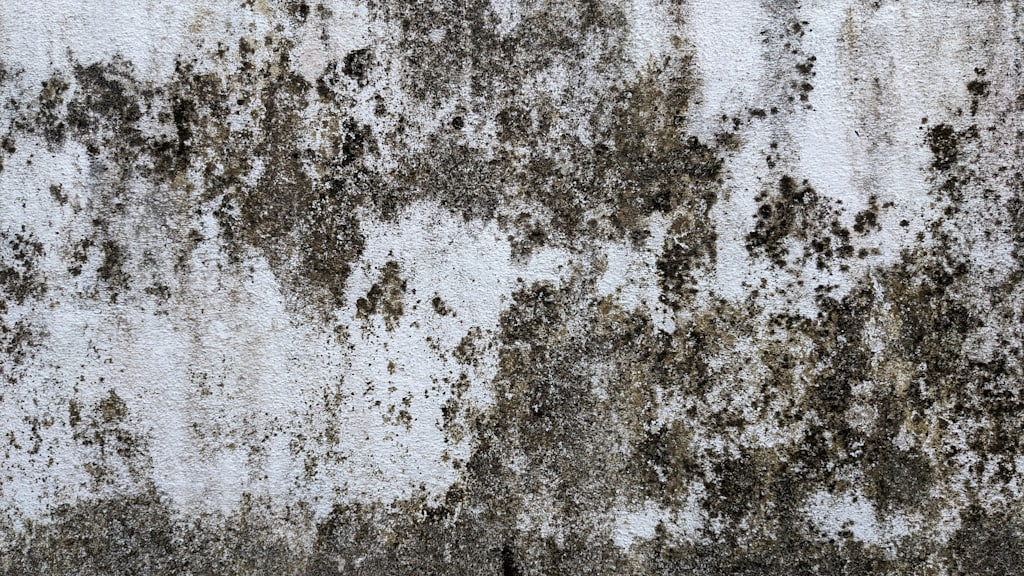
Condensation appears in the coldest, least-ventilated spots, with black mould in joints and corners. Rising damp draws a horizontal line of moisture that climbs from the floor. Leaks show up after rain, with localised rings and flaking. Salt damage shows as concrete that swells and spalls. A technician measures the moisture percentage in the wall to confirm which one you have.
Cost of treating damp in 2026
Damp treatment on the coast (VAT included)
| Item | Detail |
|---|---|
| Survey with moisture reading and reportcredited if you commission the work | variable per project |
| Anti-condensation treatment (ventilation + paint)per room | on request |
| Chemical barrier against rising dampby linear metres of wall | variable per project |
| Single leak repair | on request |
| Terrace or roof waterproofing | variable per project |
| Facade repair and render for salt damage | variable per project |
Definitive fixes by type of damp
- Condensation: improve ventilation (vents, mechanical extraction), breathable anti-mould paint and break thermal bridges.
- Rising damp: inject a chemical barrier at the base of the wall plus a porous renovating render.
- Leaks: find the entry point and waterproof the roof, terrace or facade with a membrane or mortar.
- Salt: chip off damaged render, treat the reinforcement and apply chloride-resistant mortars.
In homes used only in summer, most of the winter staining is condensation caused by leaving the house shut and unventilated for months. In these cases proper ventilation and a dehumidifier solve the problem for far less than a waterproofing job, so the survey matters before any building work is quoted.
Why not to wait
Ignored damp does not stand still: mould affects health, salt degrades the concrete structure, and leaks eventually damage wiring and furniture. Treating a on request leak in time avoids a facade rehabilitation costing several thousand euros. In holiday-rental properties, damp and mould are also one of the most common reasons for poor guest reviews.