Alicante province
Tiling in Alicante — Bathrooms, Kitchens and Terraces
We tile and lay in Alicante to a high standard: bathrooms, kitchens, terraces and porcelain floors, including large format. We prepare the substrate, level it, set out the joints and seal, leaving clean work with no lippage. Fixed price after the visit and a 2-year guarantee.
Free quote
Same-day response. No obligation.
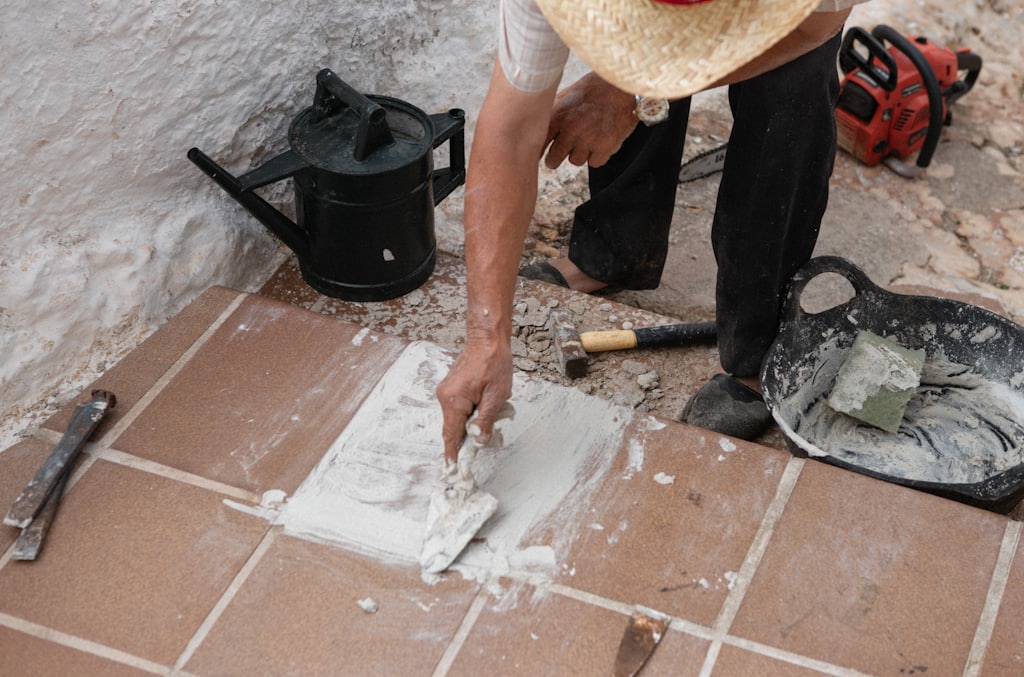
- Area
- Alicante & province
- Quote
- On request, no obligation
- Guarantee
- 2 years
- Timescale
- Tiling a full bathroom: 2–4 days.
The laying is what separates good tiling from work that fails soon after. A poorly prepared substrate, misaligned joints or a hollow tile end in tiles lifting or in water getting through. We specialise in tiling ceramic and porcelain in Costa Blanca homes, taking care of every stage from substrate to joint.
We work bathrooms, kitchens, terraces and floors, with ceramic tile, porcelain stoneware and large-format pieces that need back-buttering and levelling clips. We remove old tiling when required, regularise and level the substrate, set out so joints line up with corners and sanitaryware, and lay with the right adhesive for each material and surface.
We finish with trims on edges and corners, grouting in your chosen colour and sealing of wet areas. On terraces and shower trays we coordinate with the waterproofing so water cannot pass beneath the tile. We hand over the surface clean, with no hollow or proud tiles, and a fixed price agreed from the start.
What's included
Substrate prep and levelling
Removal of old tiling where needed, regularising and levelling the surface before laying.
Joint set-out
A prior study so joints line up with corners, sanitaryware and openings, avoiding unsightly cut pieces.
Porcelain and large format
Large-format pieces laid with back-buttering and levelling clips for a perfectly flat, lippage-free finish.
Bathrooms, kitchens and terraces
Wall tiling and floor laying in wet and outdoor areas, with the correct adhesive for each case.
Trims and finishing
Edge trims and profiles on corners and junctions for a clean, knock-resistant finish.
Grouting and sealing
Grouting in your chosen colour and sealing of wet areas to prevent leaks and ease cleaning.
Everything we do
Every job we take on within this service, with the detail of how we carry it out. The price is always fixed after the survey.
Substrate and set-out
Removing old tiling
- What we do
- Breaking off the existing tiles and their bed of mortar back to the brickwork.
- How we do it
- We break out with the sanitaryware protected and extraction running, having first checked there is no buried pipework where the breaker is about to go in. Rubble leaves in bags the same day.
Making the wall true
- What we do
- Rendering and plumbing up out-of-true walls before any tile goes on.
- How we do it
- We screed and render until the wall is plumb. With large format the margin is tiny: a bellied wall forces you to make up with adhesive, which ends in a hollow tile that cracks at the first knock.
Joint set-out
- What we do
- Working out the layout so the joints line up with the space.
- How we do it
- We start from the sightline as you walk in and line the joint up with the shower tray edge, the worktop and the front of the sanitaryware. Cuts are shared to both sides rather than a thin sliver in the corner.
Tiling onto plasterboard
- What we do
- Laying onto a plasterboard or cement-board partition.
- How we do it
- We insist on studs at 400mm and moisture-resistant or cement board in wet areas, and prime before we bond. It is what decides whether the wall carries the weight of porcelain or sags over time.
Tiling over existing tiles
- What we do
- New tile laid over the old where the substrate allows it.
- How we do it
- We check nothing sounds hollow, abrade the glaze and prime with a bonding coat. It saves days and rubble, but you lose a few millimetres of reveal — frames and socket boxes have to be assessed.
Laying, area by area
Bathroom wall tiling
- What we do
- Bathroom walls floor-to-ceiling or to mid height, with or without new sanitaryware.
- How we do it
- Non-slump C2 adhesive with spacers or levelling clips, starting from a marked datum for the first course rather than off the floor — which is almost never level.
Kitchen splashback and floor
- What we do
- The run between units, the island and the room floor.
- How we do it
- We tile the splashback after the base units go in but before the worktop, so the joint hides under worktop and plinth. The sequence is what avoids a visible line of silicone.
Large-format porcelain
- What we do
- Tiles of 60×120 and above, on walls or floors.
- How we do it
- Back-buttering with the trowel combed the same way on substrate and tile, suction cups for handling and levelling clips at every joint. Skip the back-buttering and you get voids and cracked tiles.
Terrace and porch floors
- What we do
- Terrace, roof-terrace and porch floors in anti-slip tile.
- How we do it
- Flexible C2S1 adhesive and a joint of at least 5mm: the sun here expands the tile and a fine joint lifts it. We respect the fall to the drain and leave a flexible perimeter joint.
Niches, reveals and openings
- What we do
- Tiling to shower niches, window reveals and junctions.
- How we do it
- We give the base of a niche a slight fall so it cannot pond water, and finish the edges with a trim or a 45° mitre depending on the look you want and the risk of knocks.
Waterproofing and wet areas
Tanking under the shower
- What we do
- The waterproof system beneath the tile on the tray and shower walls.
- How we do it
- Two coats of liquid membrane with flexible banding at the floor-to-wall junction and around the drain, and only then do we tile. Tile does not waterproof: what goes underneath it does.
Terrace over a dwelling
- What we do
- Laying a terrace with a home or garage below it.
- How we do it
- We coordinate with the waterproofing beforehand and run a flood test before laying. This is the leak that causes most disputes with the residents association, which is why we price it as its own item.
Drains and gullies
- What we do
- Where the tile meets drains, gratings and outlets.
- How we do it
- We cut the tile to the drain level and form the fall in the mortar, never with silicone. The grating is left removable so it can be cleaned without breaking anything out.
Sealing the junctions
- What we do
- Silicone at corners, floor-to-wall junctions and around sanitaryware.
- How we do it
- Internal angles are sealed with neutral anti-fungal silicone, never grouted: rigid grout in a corner cracks, because that is exactly where the building moves.
Grouting, trims and handover
Coloured grouting
- What we do
- Filling the joints in your chosen tone, from contrasting to near-invisible.
- How we do it
- We grout at 24 hours and take the haze off before it hardens. With the hard water here we suggest a mid-tone or grey over white: white shows limescale within months.
Epoxy grout
- What we do
- Technical grouting for showers, worktops and heavy-duty areas.
- How we do it
- Epoxy takes on no water, does not stain and survives aggressive cleaning — genuinely useful in holiday lets. It demands immediate cleaning as you go, which is why it is priced separately.
Trims and edge profiles
- What we do
- Aluminium or steel trims at corners, edges and where a run finishes.
- How we do it
- We bed the trim into the adhesive rather than sticking it on afterwards. The alternative is a 45° mitre — finer to look at but fragile to knocks; we show you both before you decide.
Checking for hollow tiles
- What we do
- Going over the walls and floor before grouting and handover.
- How we do it
- We work across the whole surface with a rubber mallet listening for a hollow note and re-bed anything that gives one, before grouting. It is the defect that surfaces a year later if nobody checks.
Cleaning and spare material
- What we do
- The surface handed over clean with the surplus labelled.
- How we do it
- We take off the cement haze with diluted acid cleaner and leave the spare boxes labelled with batch and shade, because a replacement from a different batch never matches what is on the wall.
How we work
- 1
Visit and samples
We measure the area, check the substrate and help you choose format and layout.
- 2
Fixed-price quote
We itemise prep, materials and laying in a fixed price, with no surprises.
- 3
Laying
We prepare the substrate, set out and lay with the right adhesive and levelling.
- 4
Finish and handover
We grout, seal and clean, handing over the surface with a 2-year guarantee.
Timescales
- Tiling a full bathroom: 2–4 days.
- Laying a living-room floor in porcelain: 2–3 days.
- Terrace floor with prep: 2–4 days depending on area.
Bespoke quote
Every project is unique: the price fits your job.
We do not use one-size-fits-all price lists. After a free, no-obligation site visit we prepare a detailed personalised quote, with a fixed price agreed before we start.
Before & after
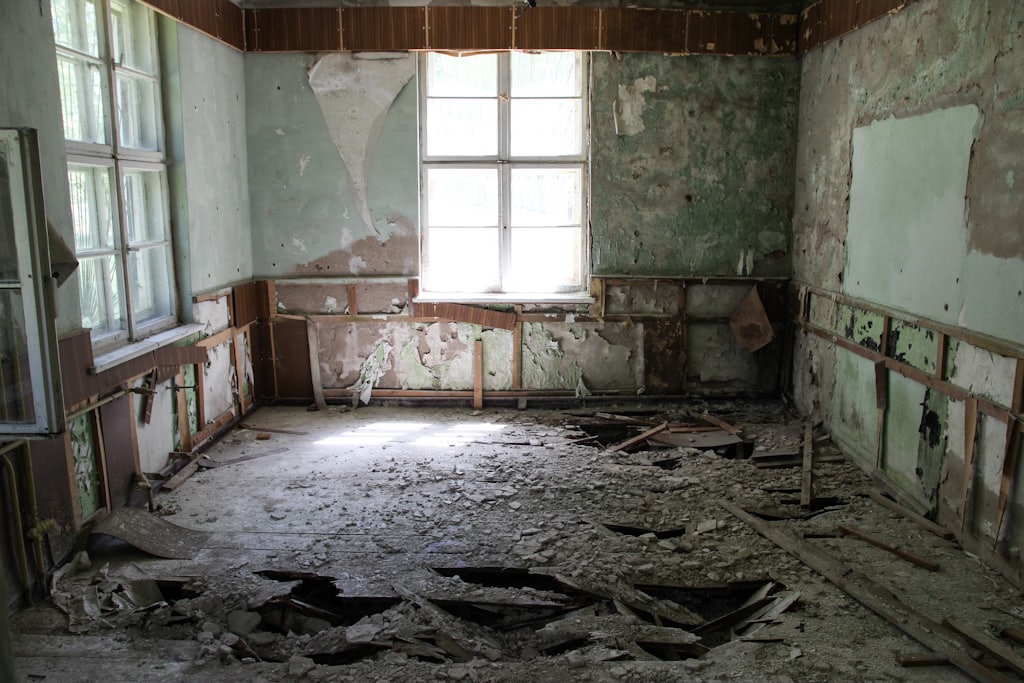
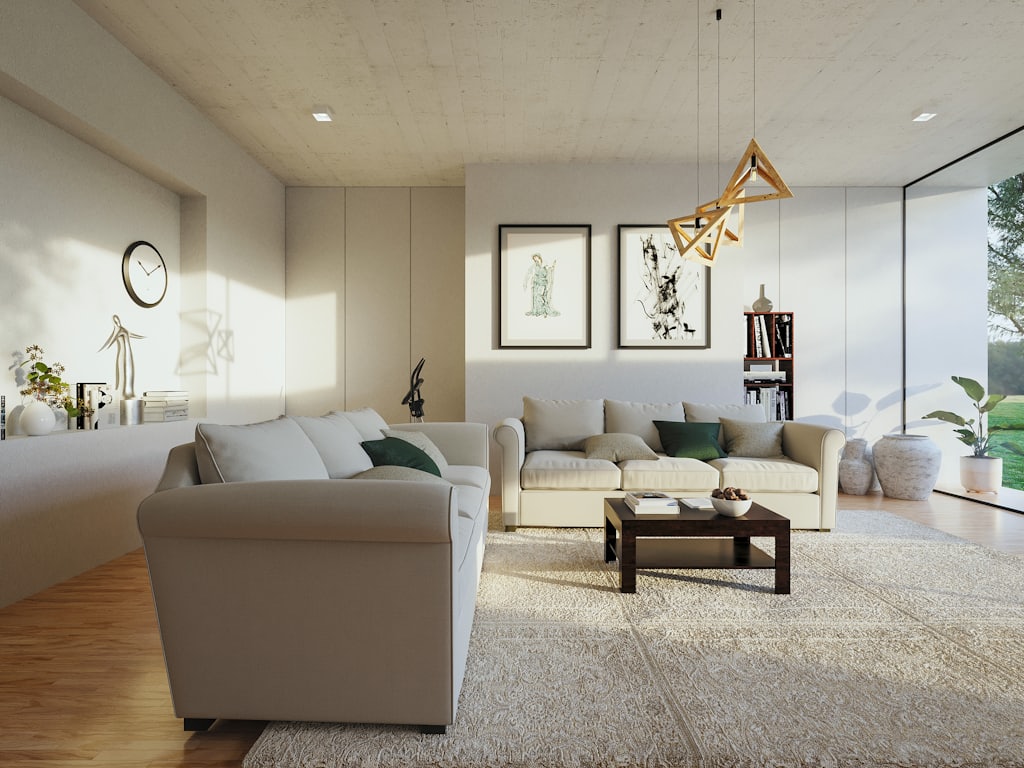
Bathroom in large-format porcelain
Alicante
A bathroom fully tiled with 60×120 pieces to mid height and matching floor, with minimal joints and corner trims.
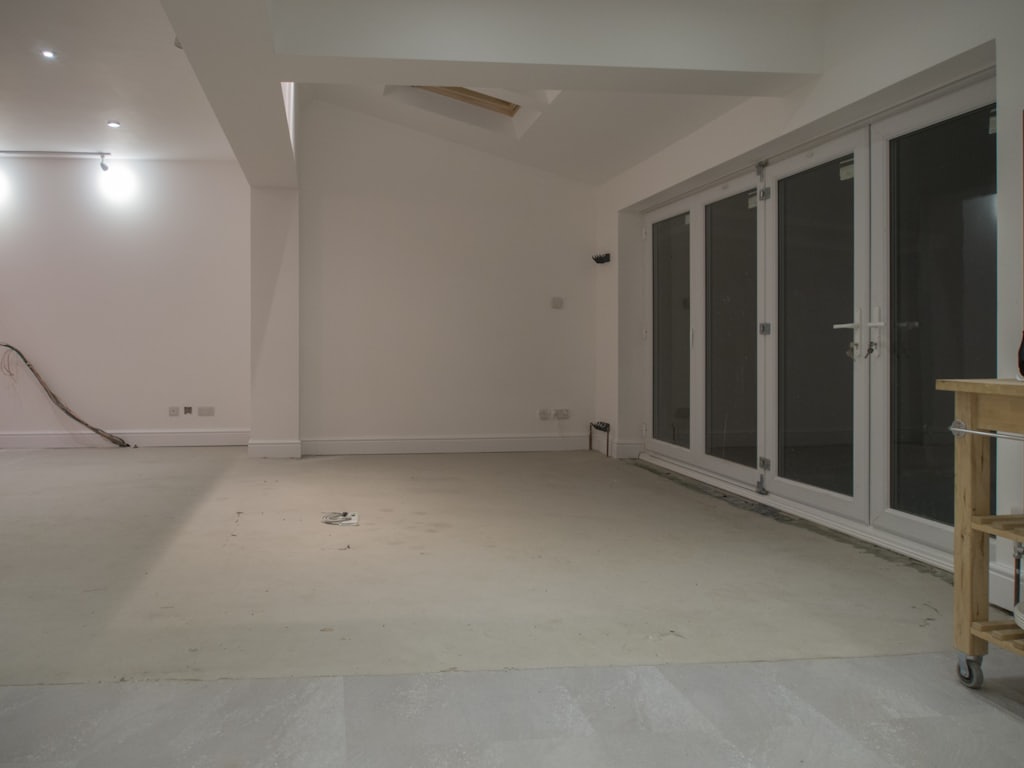
Non-slip terrace floor
Santa Pola
A terrace laid in non-slip stoneware over a waterproofed substrate, ending leaks to the dwelling below.
Customer reviews
“The large format came out perfect, not a single misaligned joint. You can tell it was a real tiler.”
“They prepared the base well and sealed everything. This winter, at last, no leaks.”
Sample reviews — replace with real verified testimonials before going live.
Frequently asked questions
How much does it cost to tile a bathroom in Alicante?
It depends on the area to tile, the tile format (large format takes more work), whether old tiling must be removed and the state of the substrate. That is why we fix the price after the visit. Ask for a no-obligation quote and we itemise it before starting.
Do you lay large-format tiles?
Yes. Large-format pieces need a very flat substrate, back-buttering and levelling clips to avoid lippage and hollow tiles. It is one of the jobs where professional laying shows most; we leave a continuous plane with minimal joints, on both walls and floors.
Can new tiles be laid over the old ones?
In some cases yes, if the old tiling is firm and well bonded and levels allow. In others it pays to remove it to guarantee adhesion and not lose height or junctions. After checking the substrate we tell you which option is safer and more economical in your case.
How do you prevent leaks in showers and terraces?
In wet and outdoor areas we coordinate laying with a waterproof membrane or mortar beneath the tile, and seal junctions and drains. Tile does not waterproof on its own: the key is what goes underneath, which is why we treat it as part of the job.
Is the laying guaranteed?
Yes. The tiling and flooring we lay carries a 2-year guarantee on labour against lifted tiles or defective joints, plus the manufacturer guarantee on the material. You receive it in writing on completion.
Areas we cover
Related services
Ready for your free, no-obligation quote?
Free site visit and a personalised quote. Same-day response.