Updated 2026-07-02 · by Equipo Técnico
Accessible bathroom for the elderly: renovation and grants guide
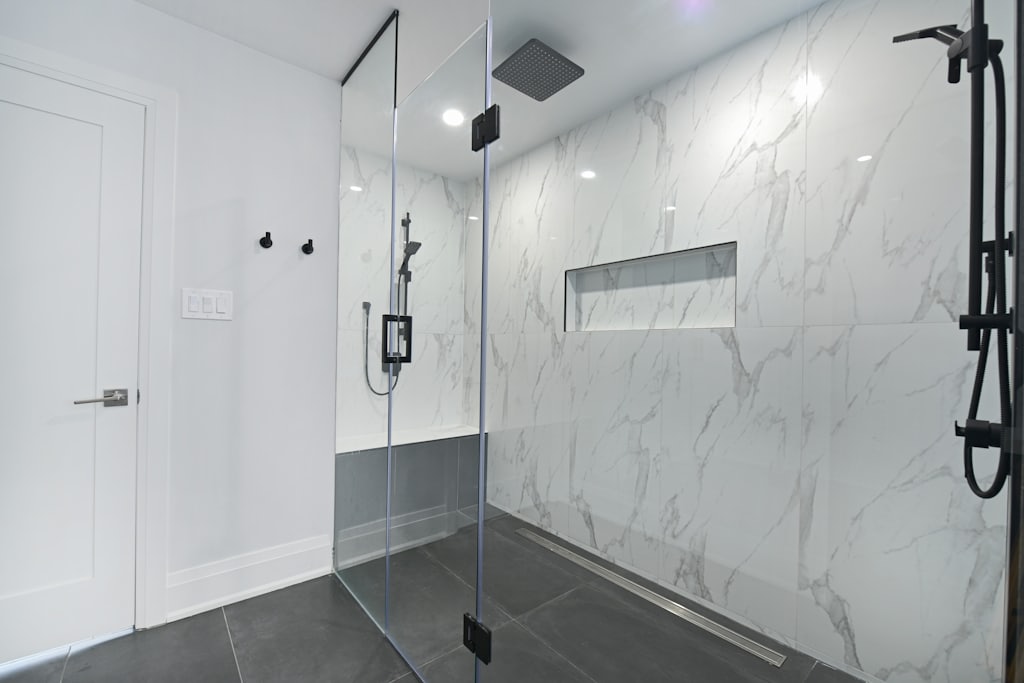
An accessible bathroom for older residents replaces the bath with a level-access walk-in shower, adds grab rails and support bars, fits a non-slip floor and a comfort-height toilet. The aim is to remove the risk of falls and let the person keep living safely and independently in their own home. There are also accessibility grants and subsidies that can help fund part of the work, depending on your situation and municipality.
The bathroom is the room where most falls at home happen, and the risk multiplies with age or when mobility becomes an issue. On the Costa Blanca, with its large population of retired Spanish and overseas residents, adapting the bathroom is one of the renovations that most improves quality of life: it lets a person stay independent and remain in the home they know, rather than depending on others or having to move.
Why a standard bathroom is dangerous for an older person
Most bathrooms were designed without reduced mobility in mind. Getting in and out of a bath means lifting a leg high over a wet, slippery edge, and a damp floor or the lack of something to hold on to is all it takes for a fall to end in a fracture. These are the features that cause the most problems.
- The bath: stepping a leg over the rim is the main cause of falls in the bathroom.
- Slippery floors: many older tiles become very slippery once wet.
- No handholds: without firm grab rails, there is nothing to steady yourself on when sitting or standing.
- A low toilet: a standard toilet demands too much effort from anyone with little leg strength.
- Tight space: narrow doors and little room prevent the use of a walking frame or wheelchair.
What an accessible bathroom renovation includes
Adapting a bathroom does not mean it ends up looking like a hospital. Today you can have a modern, attractive accessible bathroom, with finishes such as seamless microcement, which also removes grout lines and makes cleaning easier. These are the key changes.
- Replacing the bath with a level-access shower tray flush with the floor, with no step to climb over.
- A non-slip floor of the right rating for wet areas, safe even when wet.
- Firm grab rails and support bars beside the shower and the toilet, anchored to a solid wall.
- A fold-down shower seat so the person can shower sitting down in comfort and safety.
- A comfort-height toilet, which reduces the effort of sitting down and standing up.
- Single-lever or thermostatic taps, easy to use and with anti-scald protection.
- A fold-back or easy-access screen, or clear space to enter with a frame or wheelchair.
- Better lighting and, where possible, a wider door for walking aids to pass through.
Staying safely in your own home
Most older people would rather stay in their own home for as long as possible, a goal often called "ageing in place". An adapted bathroom is frequently the piece that makes that possible: it dramatically cuts the risk of a fall, restores independence for daily washing, and reassures both the person and their family, who often live far away.
Accessibility grants and subsidies
There are various public grants aimed at removing barriers and improving the accessibility of a home, which can cover part of the cost of the work. Their availability and requirements change from one call to the next, and by municipality and personal situation, so it is worth checking before you start.
- Regional and municipal grants for accessibility and the removal of architectural barriers.
- National home-improvement and rehabilitation programmes.
- Specific grants for people with a recognised disability or in a situation of dependency.
- Possible tax relief for works carried out to adapt a home for accessibility reasons.
The amounts, deadlines and requirements depend on each specific call, so the safest step is to confirm them with your town hall (ayuntamiento) or social services before commissioning the work. Many grants require a quote and invoices from a registered company, which as a team with over 15 years of experience we can provide without any problem.
What factors determine the cost of adapting a bathroom
There is no single price to make a bathroom accessible, because every case starts from a different situation. These are the factors that most affect the budget.
- Swapping the bath for a shower, the most common change, or rebuilding the bathroom entirely.
- The level of adaptation: grab rails and a non-slip floor are not the same as widening the door and re-planning.
- The quality of the materials and finishes chosen, from basic ranges to seamless microcement.
- The starting condition of the existing plumbing and wall tiles.
- The size of the bathroom and whether the turning space needs to be enlarged.
Want to adapt a bathroom so an older relative can live safely at home? We visit the property, assess the real needs of the person and prepare a personalised, no-obligation quote, with a 2-year guarantee and the paperwork you need to apply for the available grants.